Executive Summary
TorZon Market Link operates as a decentralized hidden service within the encrypted Tor network utilizing the .onion pseudo-top-level domain. Established to facilitate privacy-centric exchange, the platform focuses heavily on digital goods, software analysis tools, and cryptographic services.
Observers note that the platform distinguishes itself through a strictly enforced security model, eliminating standard web technologies that typically compromise user anonymity. The service relies entirely on public-key cryptography to authenticate both communications and internal node routing.
Historical Timeline
Phase I: Initial Protocol Deployment
Alpha Testing & Network Integration
The earliest iterations of the TorZon routing protocols were deployed to test network resilience. Initial features included basic encrypted messaging and a rudimentary escrow system designed to hold cryptographic assets pending transaction completion.
Phase II: Security Hardening
Multisig Integration & PGP Enforcement
Responding to network volatility, the platform mandated RSA-4096 PGP encryption for all participant communications. Multi-signature escrow was introduced, requiring multiple geographic nodes to authorize the release of digital funds, significantly reducing the viability of exit strategies.
Phase III: Infrastructure Scaling
DDoS Mitigation & Relay Expansion
To combat persistent denial-of-service attempts common to encrypted networks, TorZon expanded its node architecture. Secondary relay systems were implemented, establishing a rotating array of verified mirrors to balance incoming traffic loads and ensure high availability metrics.
Technical Architecture
Cryptographic Standards
The platform enforces strict PGP verification. All outgoing communications are signed, and incoming messages must be encrypted using the recipient's public key. Two-factor authentication (2FA) via PGP decryption challenges is mandatory for high-level account access.
Transaction Mechanics
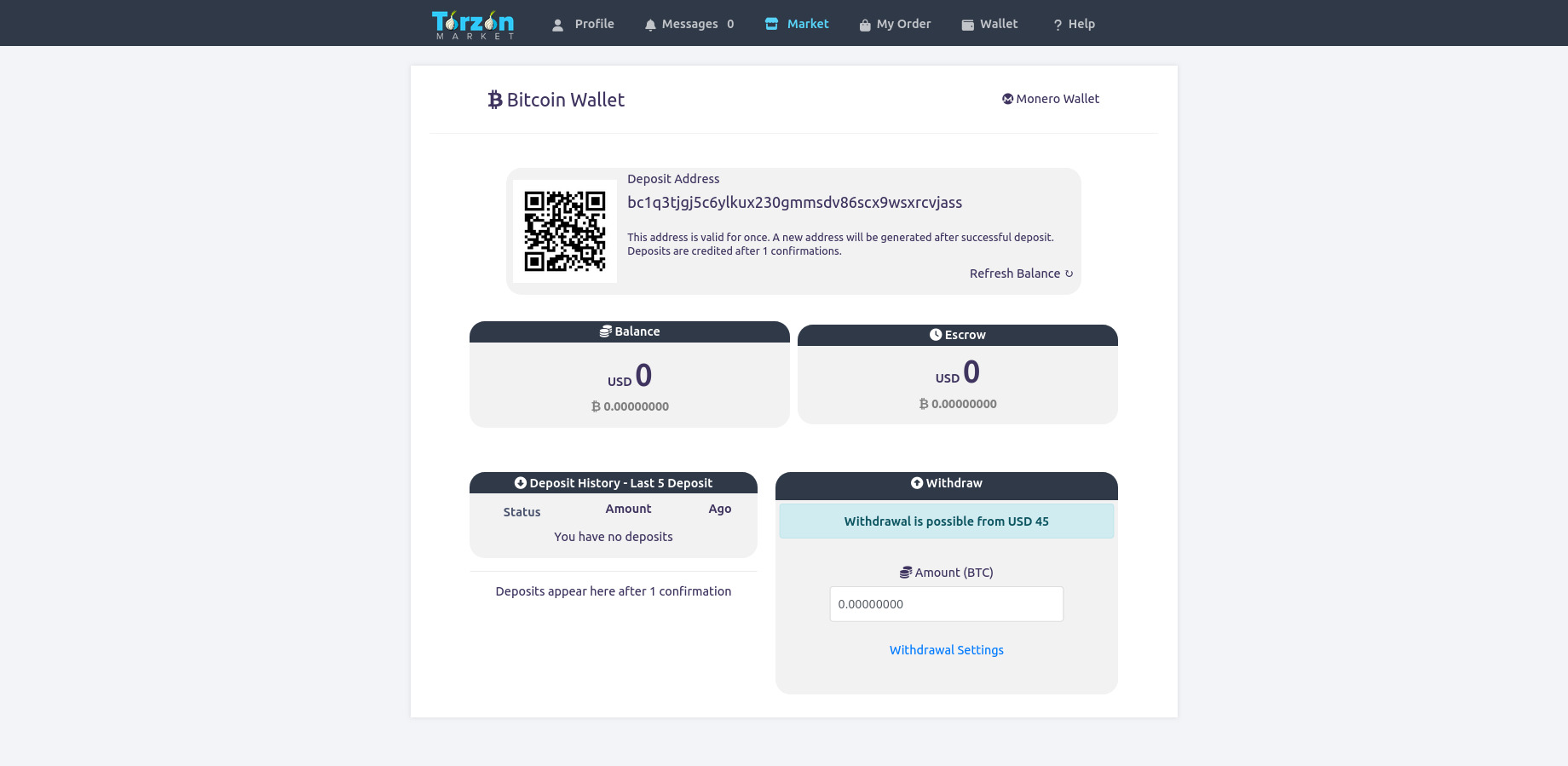
Operations are exclusively conducted utilizing Monero (XMR) to leverage its ring signature and stealth address capabilities. The architecture heavily favors walletless transaction models, where funds are transferred directly without being stored in a central platform ledger.
Platform Interface Preview
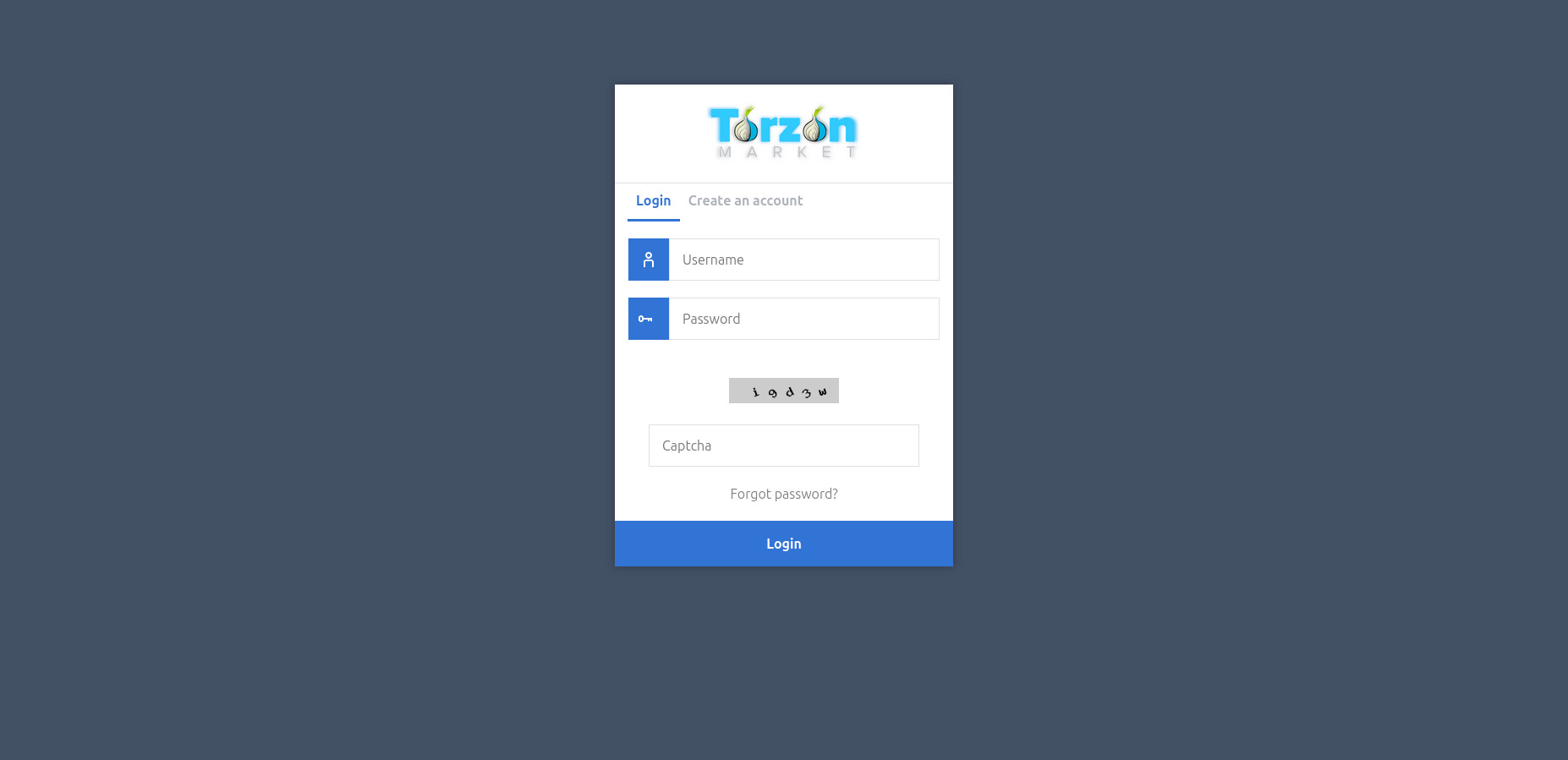
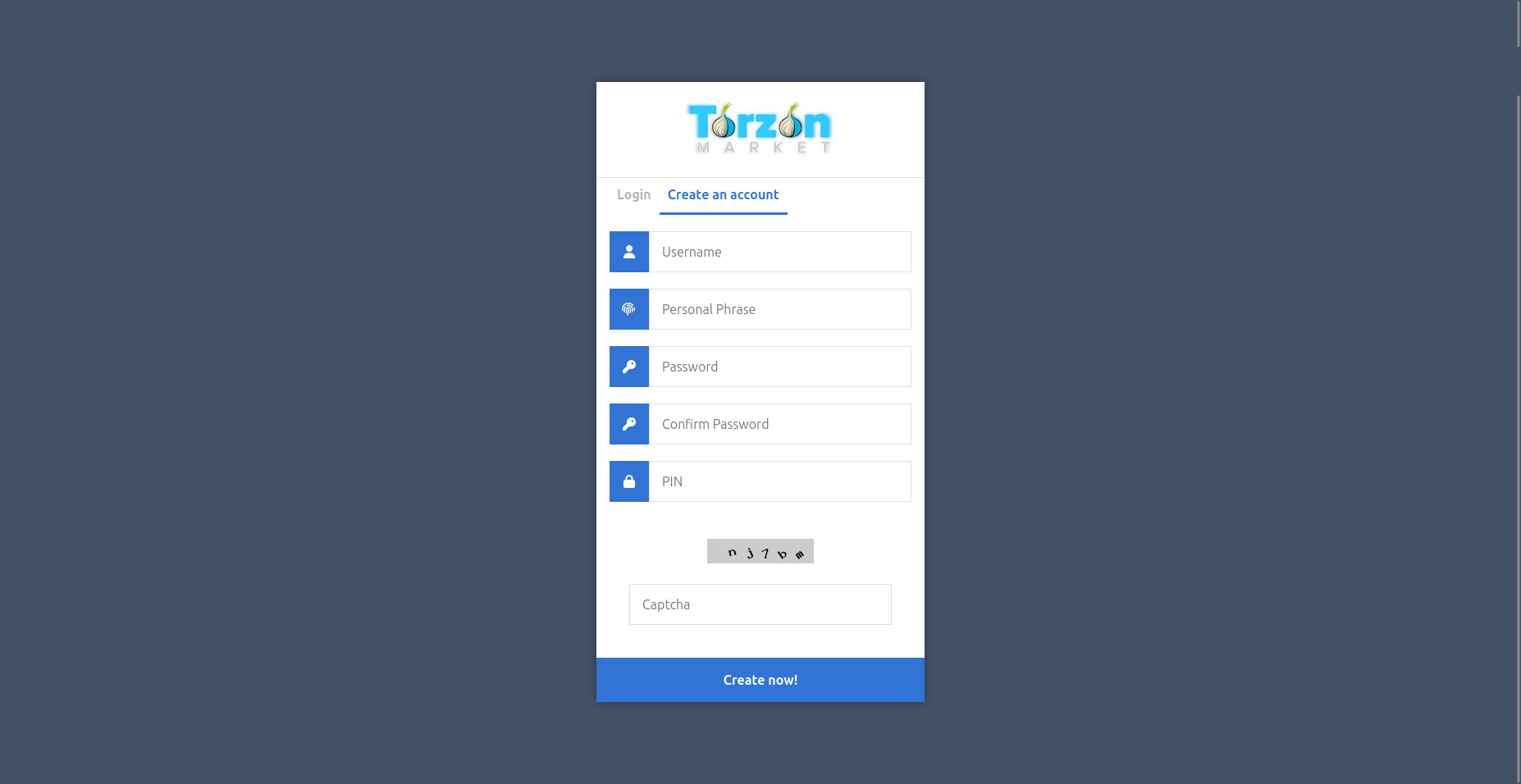
The user interface prioritizes utilitarian design over visual embellishment, optimizing for the sluggish nature of onion routing. Client-side scripts (such as JavaScript) are intentionally omitted to prevent deanonymization vectors.

Community & Statistics
Research indicates a steady increase in unique encrypted sessions routing through connected nodes. The platform maintains quality control via a strict merchant bonding protocol, requiring substantial collateral deposits to deter malicious actors.